
Perseus Cluster A Massive Cluster Of Galaxies
The “Perseus Cluster” is one of the most massive known objects in the universe, consisting of a large group of galaxies located in the constellation Perseus.
The Perseus Cluster is enormous, containing thousands of galaxies. Its mass is primarily made up of dark matter, with the visible galaxies making up only a small fraction of its total mass.
It’s located approximately 240 million light-years away from Earth. This distance means we’re seeing the cluster as it was 240 million years ago, due to the time it takes for light to travel to us.
The space between the galaxies in the Perseus Cluster is filled with a very hot, ionized gas known as the intracluster medium. This gas emits X-rays, making the cluster an important object of study for X-ray astronomy.
The most notable galaxy in the Perseus Cluster is NGC 1275, also known as Perseus A. It’s an active galaxy with a supermassive black hole at its center, which is responsible for powerful jets and radio emissions.
Due to the high density of galaxies in the cluster, galactic collisions and interactions are relatively common. These interactions can lead to the formation of starburst galaxies and active galactic nuclei.
The Perseus Cluster is a key subject of study for understanding the large-scale structure of the universe, the behavior of dark matter, and the processes that occur in high-density environments.
One of the most intriguing discoveries about the Perseus Cluster is the observation of sound waves caused by the activity of the central black hole. These waves manifest as ripples in the hot gas and are believed to be the deepest notes ever detected, far below the threshold of human hearing.
Studying the Perseus Cluster and similar galactic clusters helps astronomers learn more about the evolution of galaxies, the nature of dark matter, and the dynamics of the universe on the largest scales.

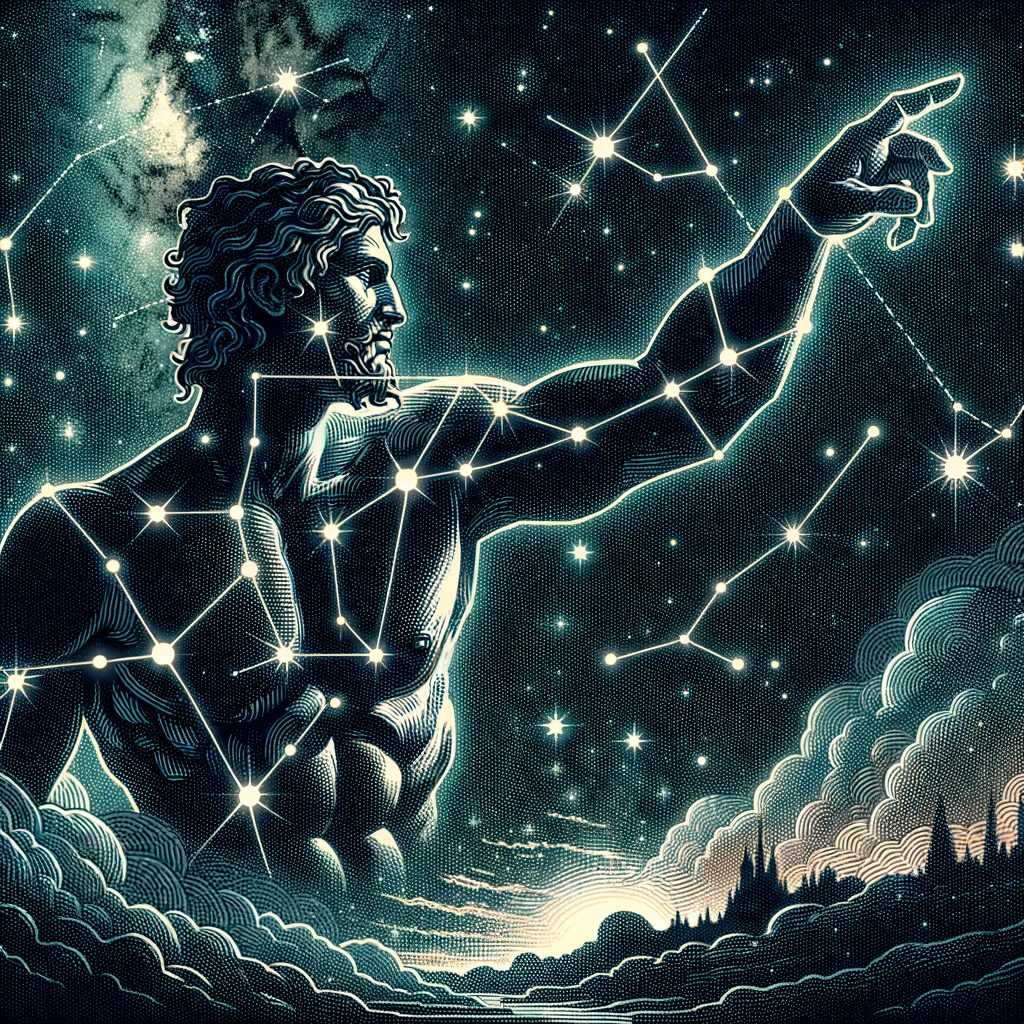
The Constellation Perseus
Here are the images illustrating the constellation Perseus. They depict the stars of Perseus connected by lines, highlighting the shape of this constellation against a starry night sky.

NGC 1275
Perseus A is a notable galaxy located in the Perseus Cluster, one of the closest clusters of galaxies to Earth. It’s a fascinating astronomical object for several reasons:
Type of Galaxy: NGC 1275 is classified as a Seyfert galaxy, which is a type of active galaxy with a bright nucleus. Seyfert galaxies are known for their strong emissions of light, particularly in the radio, infrared, and X-ray spectrums.
Supermassive Black Hole: Like many active galaxies, NGC 1275 is believed to host a supermassive black hole at its center. The activity of this black hole, including the accretion of matter, contributes to the galaxy’s high luminosity, especially in the radio and X-ray spectrums.
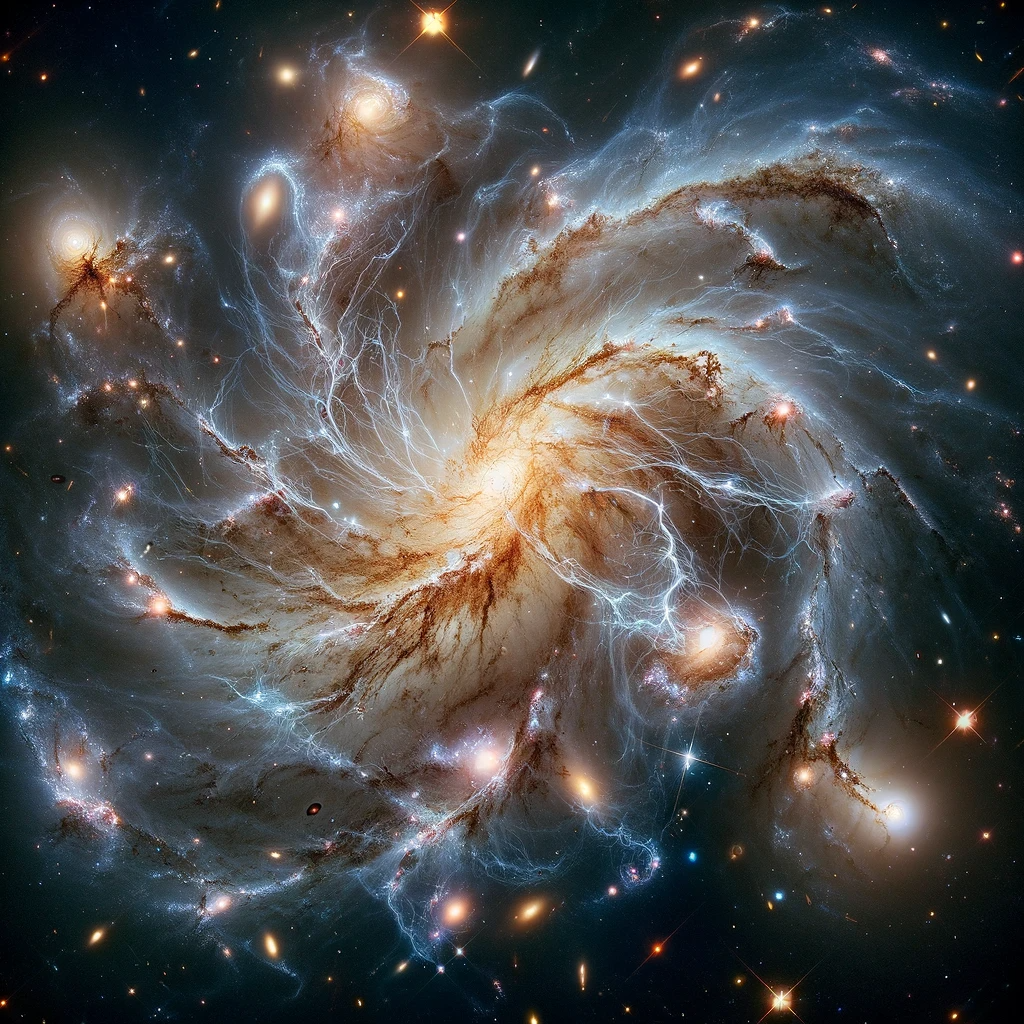
Filamentary Structures: One of the most striking features of NGC 1275 is its filamentary structures. These filaments are made of gas and are seen extending away from the galaxy’s center. They are thought to be related to the galaxy’s interaction with the intracluster medium in the Perseus Cluster.
Interaction with the Cluster: NGC 1275 plays a significant role in the dynamics of the Perseus Cluster. It’s situated near the cluster’s center and contributes to the heating and cooling of the intracluster medium.
Distance from Earth: The galaxy is located about 237 million light-years away from Earth. This relatively close proximity, combined with its active nature, makes it an important object of study for astronomers.
Scientific Significance: NGC 1275 is a key subject for studying galactic evolution, black hole activity, and the interaction between galaxies and their surrounding environments. Its unique properties provide valuable insights into these areas of astrophysics.
Due to its brightness and peculiar characteristics, NGC 1275 has been the subject of many astronomical observations and studies, helping to advance our understanding of active galactic nuclei and the behavior of galaxies in dense cluster environments.
Perseus Cluster With A Home Telescope
Observing the Perseus Cluster, also known as Abell 426, with a home telescope is possible but challenging. The Perseus Cluster is a massive cluster of galaxies located in the constellation Perseus. It’s one of the most massive objects in the known universe, consisting of thousands of galaxies.
Here are a few key points to consider:
Telescope Requirements: A home telescope with a relatively large aperture (the diameter of the primary lens or mirror) can help in observing deep-sky objects like galaxy clusters. Generally, an aperture of at least 8 inches (20 cm) is recommended for better results. However, even with smaller telescopes, it might be possible to see it under ideal conditions.
Light Pollution: Observing deep-sky objects like the Perseus Cluster is significantly affected by light pollution. Dark skies, away from city lights, are ideal for such observations.
What to Expect: With a home telescope, do not expect detailed views of the individual galaxies within the cluster. Instead, you might see a hazy patch indicating the cluster’s presence. The brighter galaxies in the cluster, like NGC 1275, might be discernible as faint smudges of light.
Time and Patience: Locating and observing deep-sky objects requires patience and practice. It’s important to give your eyes time to adapt to the darkness and use averted vision (looking slightly away from the object) to better detect faint objects.
Use of Star Charts or Apps: A star chart or an astronomy app can be very helpful in locating the Perseus Cluster in the night sky.
Remember, the experience of observing deep-sky objects with a home telescope can be quite different from the images produced by professional observatories, which often use long exposure photography to capture faint details. Nonetheless, the experience can be very rewarding for astronomy enthusiasts.